

Bricklaying vs Joinery vs Painting: Which Trade Course Should You Choose?
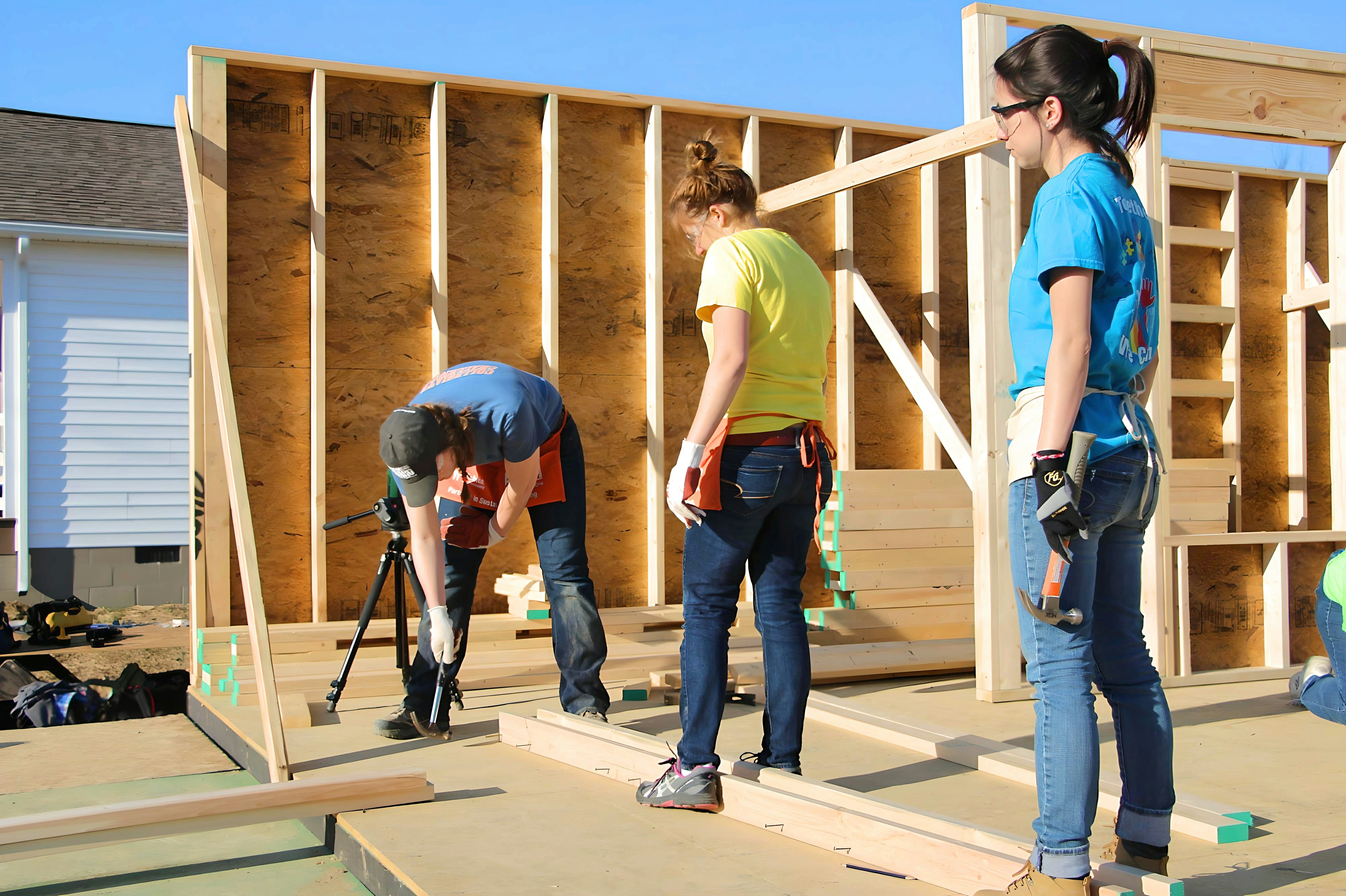
Choosing a trade course is easier when you look beyond the qualification name and consider the work itself. Do you enjoy building strong structures, producing precise timber components or transforming spaces through colour and finishes? Bricklaying, joinery and painting all contribute to the construction industry, but each requires a different combination of strengths.
Legend Institute offers CPC33020 Certificate III in Bricklaying and Blocklaying, CPC31920 Certificate III in Joinery and CPC30620 Certificate III in Painting and Decorating. This comparison will help you identify which learning and work style may suit you best.
A quick comparison
Bricklaying focuses on constructing masonry elements with bricks, blocks, mortar and related materials. Joinery focuses on manufacturing and assembling fitted timber components such as doors, windows, stairs and other detailed products. Painting and decorating focuses on preparing surfaces and applying protective and decorative coating systems.
All three fields require safety awareness, measurement, planning, tool skills, reliable attendance and the ability to meet quality standards. The main difference is the material you work with and the type of result you produce.
Option 1: Bricklaying and blocklaying
CPC33020 Certificate III in Bricklaying and Blocklaying develops skills for masonry work in residential, commercial and other construction contexts. Training may cover preparing materials, using bricklaying tools, setting out, basic levelling, constructing walls and corners, and completing different masonry features.
Bricklaying may suit you if you enjoy building something substantial from the ground up. The work rewards accuracy because small variations in level, line or spacing can affect the finished structure. It can also involve regular outdoor work, lifting and repeated physical tasks.
Consider bricklaying if you like:
- visible structural progress
- working with bricks, blocks and mortar
- measurement and alignment
- practical teamwork
- active work environments
Option 2: Joinery
CPC31920 Certificate III in Joinery focuses on the skills used to manufacture and assemble detailed timber products and components. Joinery differs from general carpentry: much joinery work involves precise production in a workshop before completed components are installed or used in a building.
Students may learn to interpret drawings, set out work, operate hand and power tools, select materials, produce joints and assemble components. Accuracy, patience and care are important because pieces must fit together correctly and meet the required dimensions and finish.
Consider joinery if you like:
- working with timber
- detailed measurements
- workshop-based production
- tools and machinery
- problem-solving and seeing separate components become a finished product
Option 3: Painting and decorating
CPC30620 Certificate III in Painting and Decorating develops surface-preparation and coating skills. Training can include preparing different substrates, applying paint with brushes, rollers or spray equipment, working with colour and decorative finishes, and following safe work procedures.
Painting may suit people who notice detail and enjoy transforming the look of a space. A professional result depends on careful preparation, consistent technique and the ability to identify and correct defects.
Consider painting if you like:
- colour and finishes
- visible before-and-after results
- detailed preparation
- working across different spaces
- balancing speed with precision
How to make your decision
Start by asking yourself five questions. First, which material would you enjoy working with most: masonry, timber or coatings? Second, do you prefer structural construction, precision manufacturing or finishing work? Third, are you comfortable with the likely physical demands? Fourth, do you enjoy working mainly outdoors, in a workshop or across changing indoor and outdoor settings? Finally, which practical tasks would you still enjoy after repeating them enough to become skilled?
If possible, review the detailed course information, inspect the training facilities and speak with the admissions team. Choosing based only on perceived income or migration possibilities can lead to a poor fit. Employment, licensing and migration settings can change and no course provider can guarantee those outcomes.
Where can each qualification lead?
Each qualification is linked to an established trade area, but the certificate is one part of career development. Employers also consider practical competence, safety, reliability, communication and experience. Graduates should expect to continue learning as products, standards and work methods change.
A student who later wants broader construction-management knowledge may also explore CPC40120 Certificate IV in Building and Construction, subject to suitability and entry requirements.
Frequently asked questions
Which trade course is the easiest?
There is no universally easiest option. The best fit depends on your interests, physical capabilities, attention to detail and preferred work environment.
Which course involves the most workshop work?
Joinery is strongly associated with workshop production, although delivery and assessment arrangements vary. All three qualifications require meaningful practical training.
Can an international student study these courses?
Legend Institute is a CRICOS-registered provider and offers specified courses to eligible international students. Applicants must meet the current course, enrolment and visa-related requirements.
Does completing a trade course guarantee employment or permanent residency?
No. Qualifications can support skills development, but employment, licensing, skills assessment and migration outcomes depend on separate requirements and individual circumstances.
Take the next step
Still deciding? Contact Legend Institute to compare CPC30620 Certificate III in Painting and Decorating? , CPC33020 Certificate III in Bricklaying and Blocklaying , CPC31920 Certificate III in Joinery . View the course page or contact Legend Institute for current entry requirements, fees, intakes and delivery information.